Precision Fertility: Advanced ICSI Treatment for Male Factor Infertility
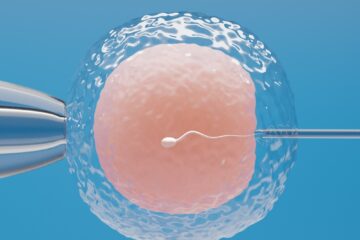
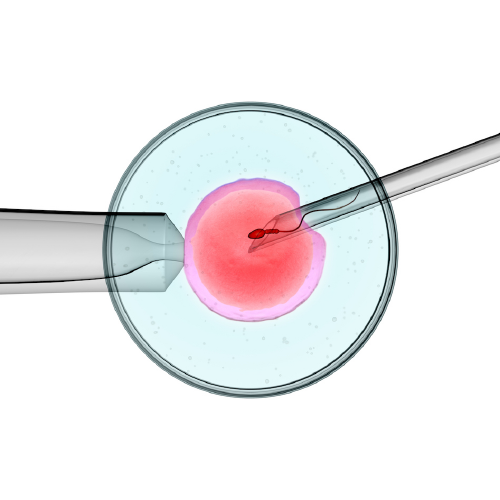
When traditional IVF is not enough, ICSI (Intracytoplasmic Sperm Injection) offers a specialized solution. ICSI is a breakthrough in reproductive medicine specifically designed to overcome severe male infertility. In a standard IVF cycle, many sperm are placed around an egg to allow for natural fertilization; in ICSI, our embryologist selects a single, healthy, and high-motility sperm and injects it directly into the center of a mature egg.
When is ICSI Necessary?
ICSI is the gold standard for couples dealing with complex fertility hurdles, particularly when the male partner’s sperm parameters are compromised. It is highly recommended in cases of:
➡️ Severe Low Sperm Count (Oligospermia): Very few sperm available in the ejaculate.
➡️ Poor Sperm Motility: Sperm that do not swim effectively toward the egg.
➡️ Abnormal Morphology: Sperm that have structural issues preventing them from penetrating the egg’s outer layer.
➡️ Previous IVF Failure: For couples who have tried standard IVF but did not achieve fertilization.
➡️ Obstruction: If there is a physical blockage preventing sperm from being ejaculated.
The MothersBliss Advantage in ICSI
ICSI is a highly technical procedure that requires a world-class embryology lab and expert hands. Dr. Swati Pullewar brings international standards to Dhanori, Pune, ensuring that the selection and injection of the sperm are performed with microscopic precision. Our lab is equipped with the latest micromanipulators and high-powered imaging systems, giving you the best possible chance of embryo development even in challenging cases.
What to Expect During ICSI
The ICSI process follows the same initial steps as IVF (stimulation and egg retrieval). The difference happens in the lab:
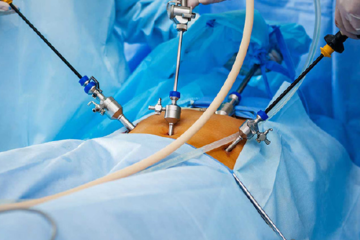
✅ Egg Retrieval: Mature eggs are collected from the ovaries.
✅ Sperm Injection: Using a specialized needle, a single sperm is injected into each mature egg.
✅ Embryo Development: The injected eggs are monitored for signs of fertilization and growth into healthy embryos.
✅ Transfer: Once the embryo reaches the blastocyst stage, it is transferred back to the uterus.